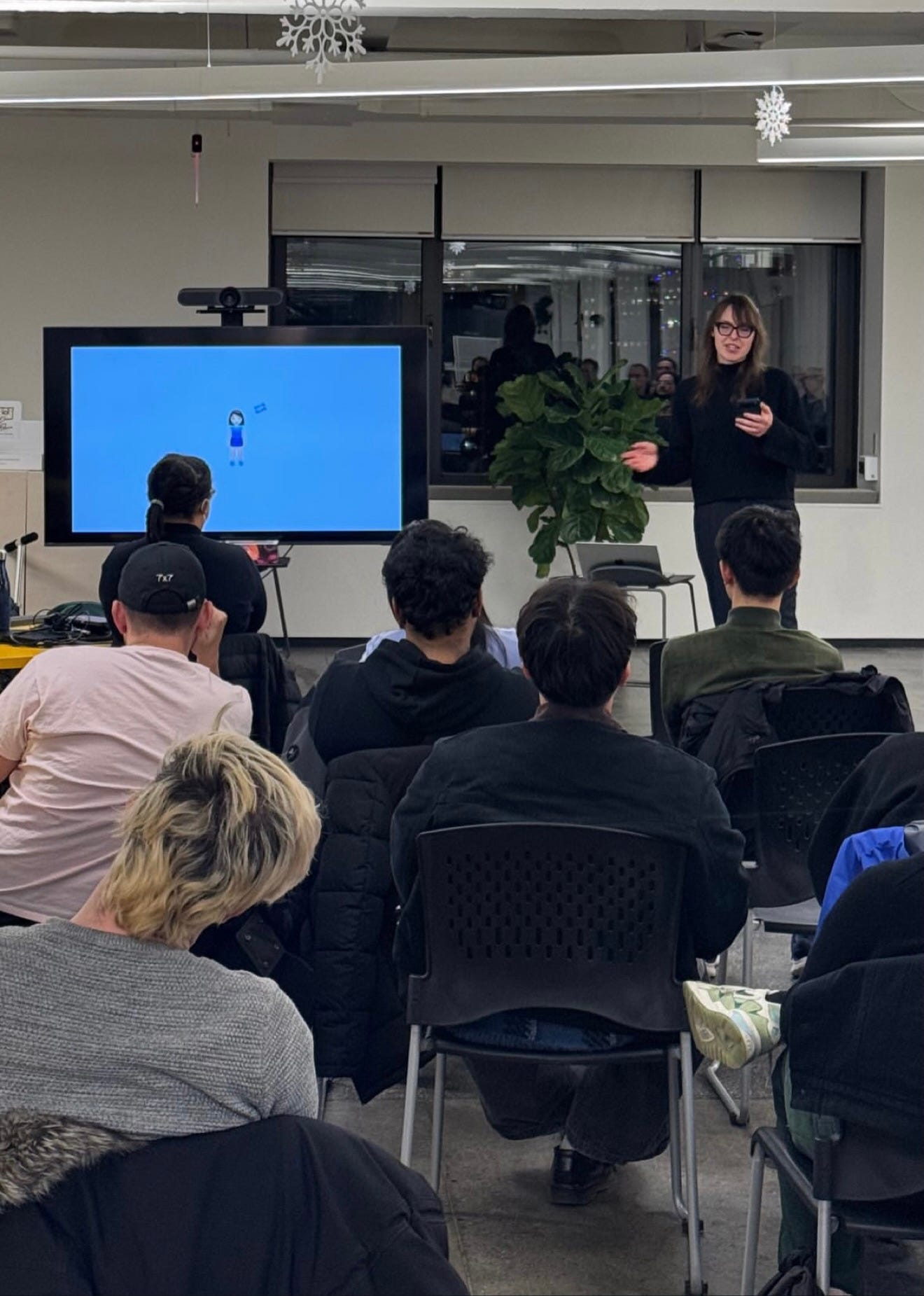
This is a special edition of xx, and a break from our advice column—a transcript of the talk I gave at raid, a research, AI, and design event series, earlier this month (December 2025).
I’ve kept the slides inline and the spoken rhythm intact, so it’s read the way I’d delivered it, because it’s more fun that way. And I love to have fun.
xx
INTRO: Were Bards Memelords?
Let’s go back 3000 years, to 800 BC… ish.
Humanity is struggling to make use of something we’d discovered. We’d been toying with it for a while, but we were stumped.
It’s near-unfathomable, far from human, and dangerous enough to tear us apart. It’s decimating villages, suffocating us.
We’d found ways it was protective or helpful. But adoption, broadly, was blocked by what we didn’t yet know, and what we couldn’t yet do. By risk, and by fear.
I’m talking about… fire!

Then, a story come along that changed everything. It follows Prometheus.
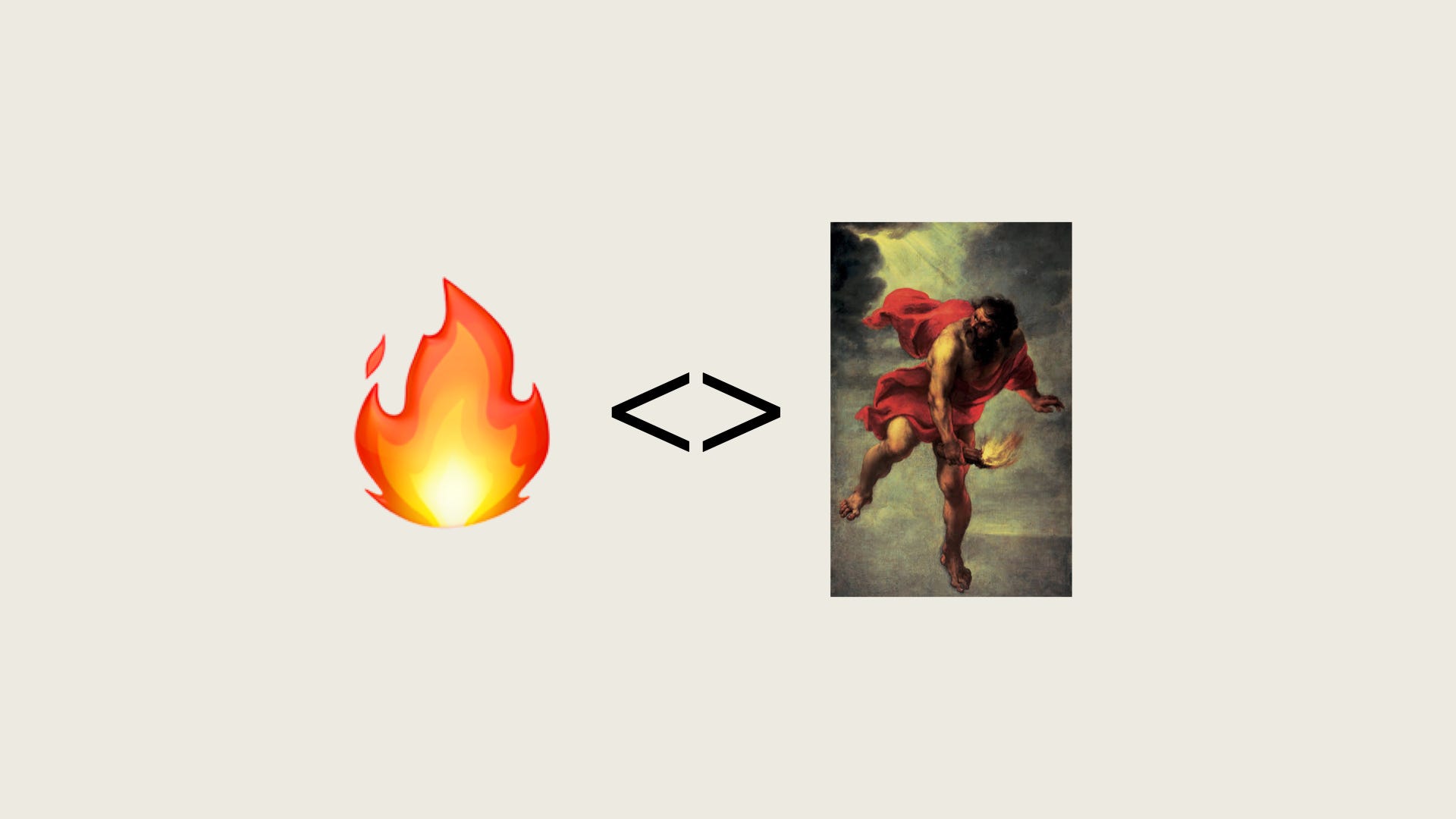
Prometheus makes his way up Mount Olympus to the gods, a whole roster of them, and takes fire from a withholding Zeus, stealing the property of the divine.
He’s made out to be a compassionate man who wanted to help us. Who sees mortals—cold, hungry, and vulnerable—and can imagine something better ahead, a new phase for humankind.
Conveniently for us, he’s a robinhood figure, at once hero and scapegoat. We, humanity, are spared the indignity of theft, and are free to reap his spoils with a clear conscience.
The story of Prometheus is the vehicle for fire’s global adoption. Crucially, it repositions fire from something fearsome to something deployable: techné, or technology. A human tool.
This story started as a poem, an epic, by this guy Hesiod (a contemporary of Homer), which was then recited by the bards (called rhapsodes), the orators and memelords of their day.
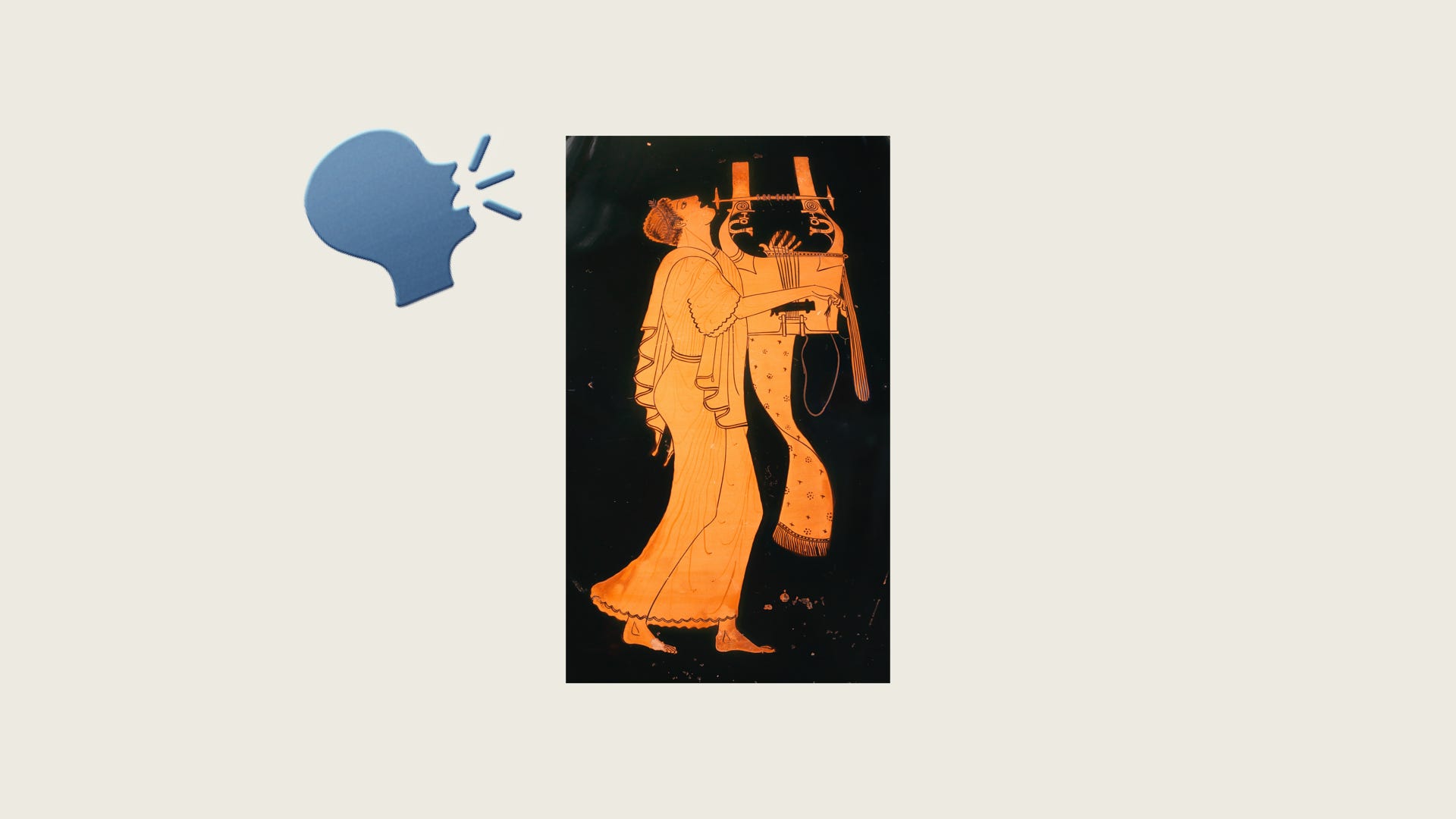
This propagation, like a game of telephone, built over years and decades and centuries into a critical mass now known as myth (mythos). Fueled by story, fire goes on to transform civilization.
(Tremendous leg-work for fire. Great brand cultivation, quite long-horizon.)
Every time we introduce a new technology, we fight this battle again. And universal adoption is decided by this same force.
Story is deployment.
More than just decoration or marketing fluff, story is the mechanism that allows human minds to accept and integrate new innovations.
BEAT 1: How’s the Story Unfold?
Fast forward a few millennia.
We’re in the 1920s. There’s a new anxiety gripping the world. People are coining it “invisible death.” It’s odorless and spreading fast, and no one can stop it. It’s moving through your walls. It’s lethal. It could burn down your home or kill your kid. The people who had made it were still figuring out what it even was, and how to use it. This was…

Electricity! The utility companies at this point faced quite a dilemma: they couldn’t earn public trust. Probably because people were getting zapped to death by errant wires. Fatal accidents were routine, without getting into shocking specifics (harhar).
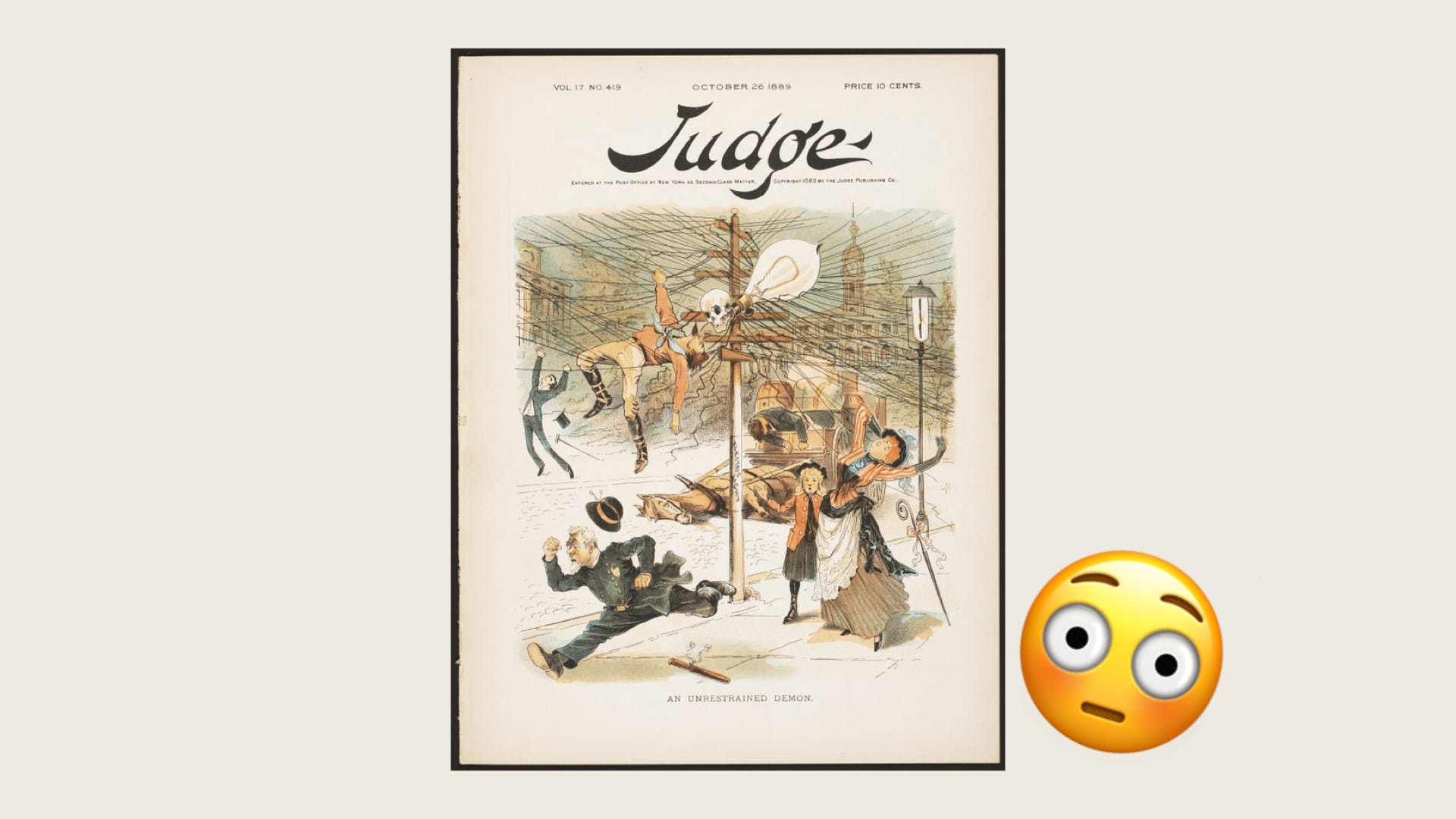

Illustrators, disturbed by the terrors of their time, depicted electricity as an unrestrained demon, a death-web of cables. A valid fear in the Gilded Age.
In this haze of negative brand perception was a public that, in addition to distrust, didn’t understand how it could help them. The historian David Nye documents that the utility companies struggled to sell homeowners on wattage alone, on volts and amperes. It wasn’t sticking.
So the Alabama Power Company and General Electric created campaigns of advertisements with a character intended to domesticate the danger. He took a couple forms, but was generally called the “Electric Servant.”
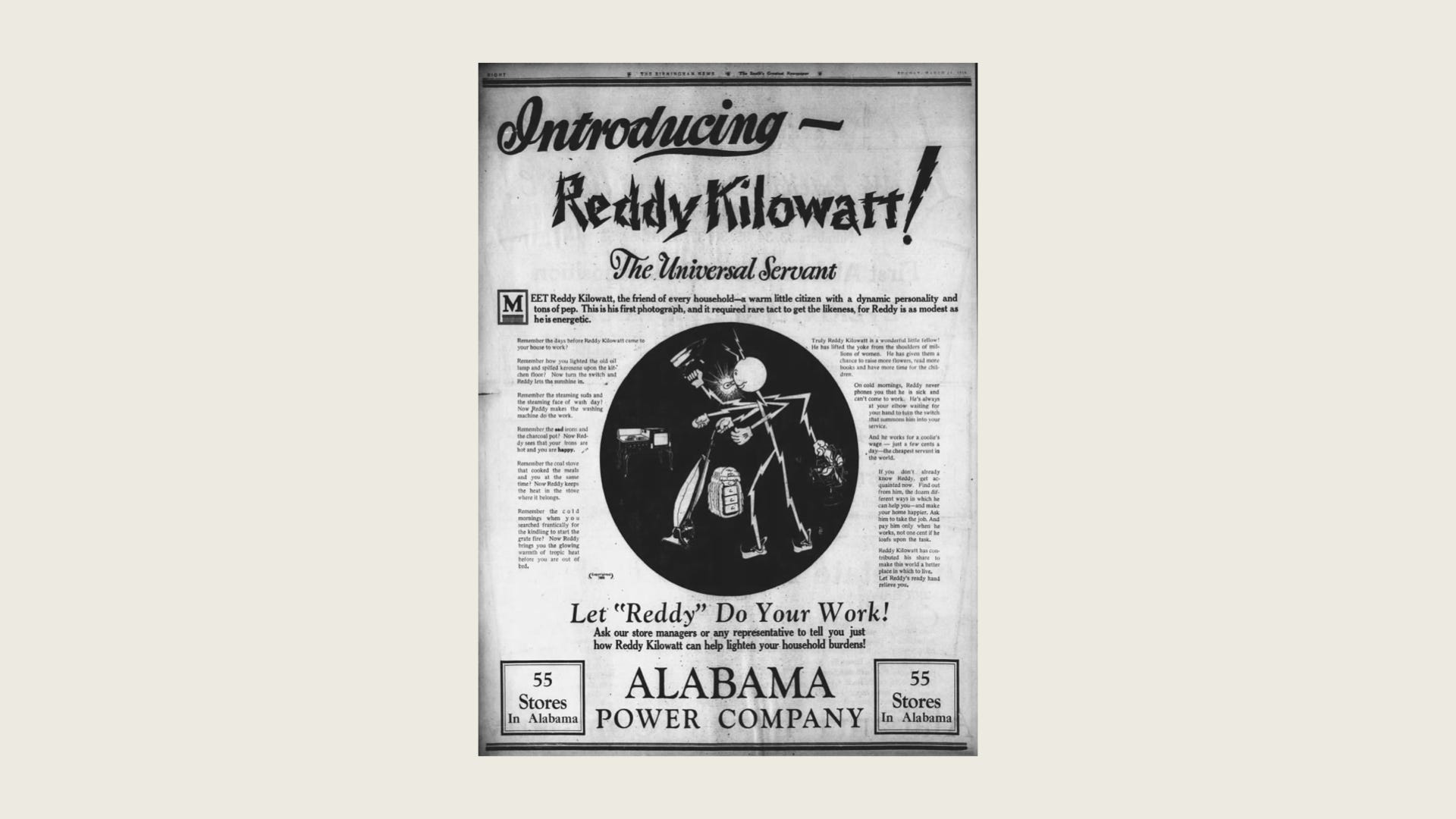
The “Electric Servant” was something of a magical helper, silent and invisible like the charge that inspired him. He takes clear inspiration from sprites, spirits that work for you, genies bound to lamps, etc.
What really worked from this campaign: it spoke straight to the housewives, whose lives were consumed by domestic labor. Laundry took a day. An actual day, of beating and wringing and raking over that board.
Imagine your power goes out permanently. You’re toiling away, churning butter. Lugging water from the well. Bet you’re thankful for your laptop job now huh?
Domestic work was so consuming, it was often divvied among several women in the home. The story of the “Electric Servant” promised women that the most thankless parts of their lives could be lifted off their plate. It offered a fantasy of being liberated from chores, and living like women of the leisure class, the aristocracy.
This story was instrumental in putting modern appliances—toasters, washers, you name it—into the home.
(Something cute and worth noting. This character often wore rubber safety gloves and shoes. Even electricity itself was insulated.)
Now let’s shift to something smaller.
It’s 1980ish. We’ve gotten the personal computer!
Don’t get excited, we don’t have a mouse yet. People were basically stuck with keyboard shortcuts. (Great for excel, a nightmare for much else.)
Okay, a select few had a mouse, but not most. Xerox had made a device that was confined to the “computer rooms” of engineers and PhD people. They’d called it the “X Y Position Indicator for a Display System.”
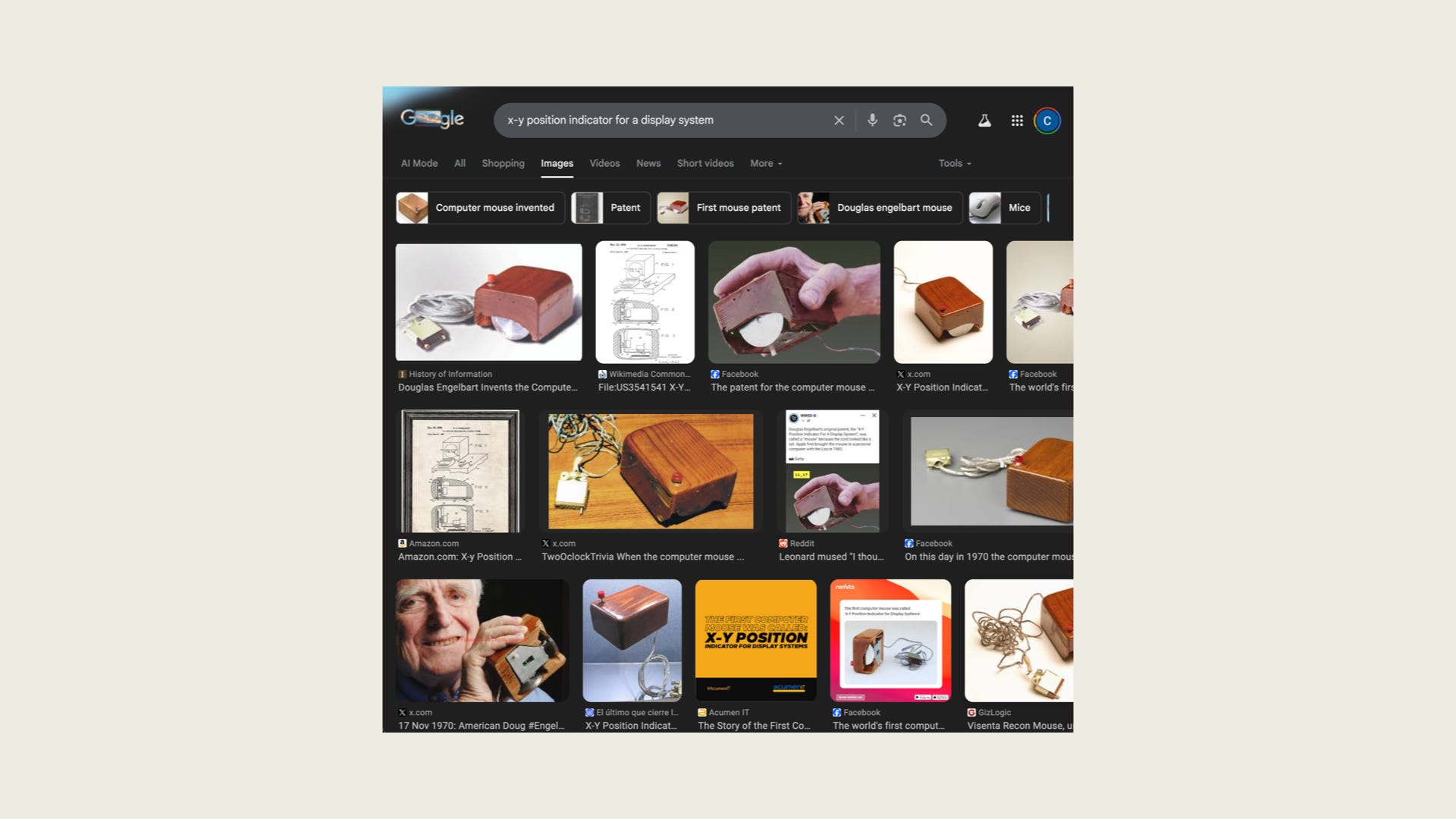
Cool. Super Cartesian. Spoiler, it was a deployment failure.
Then this really enterprising guy named Steve Jobs saw an opening. His company Apple rebranded it as a mouse, and made it with with cheaper materials and just one button.
More ahead. But let’s stick with the word “mouse” for a second.
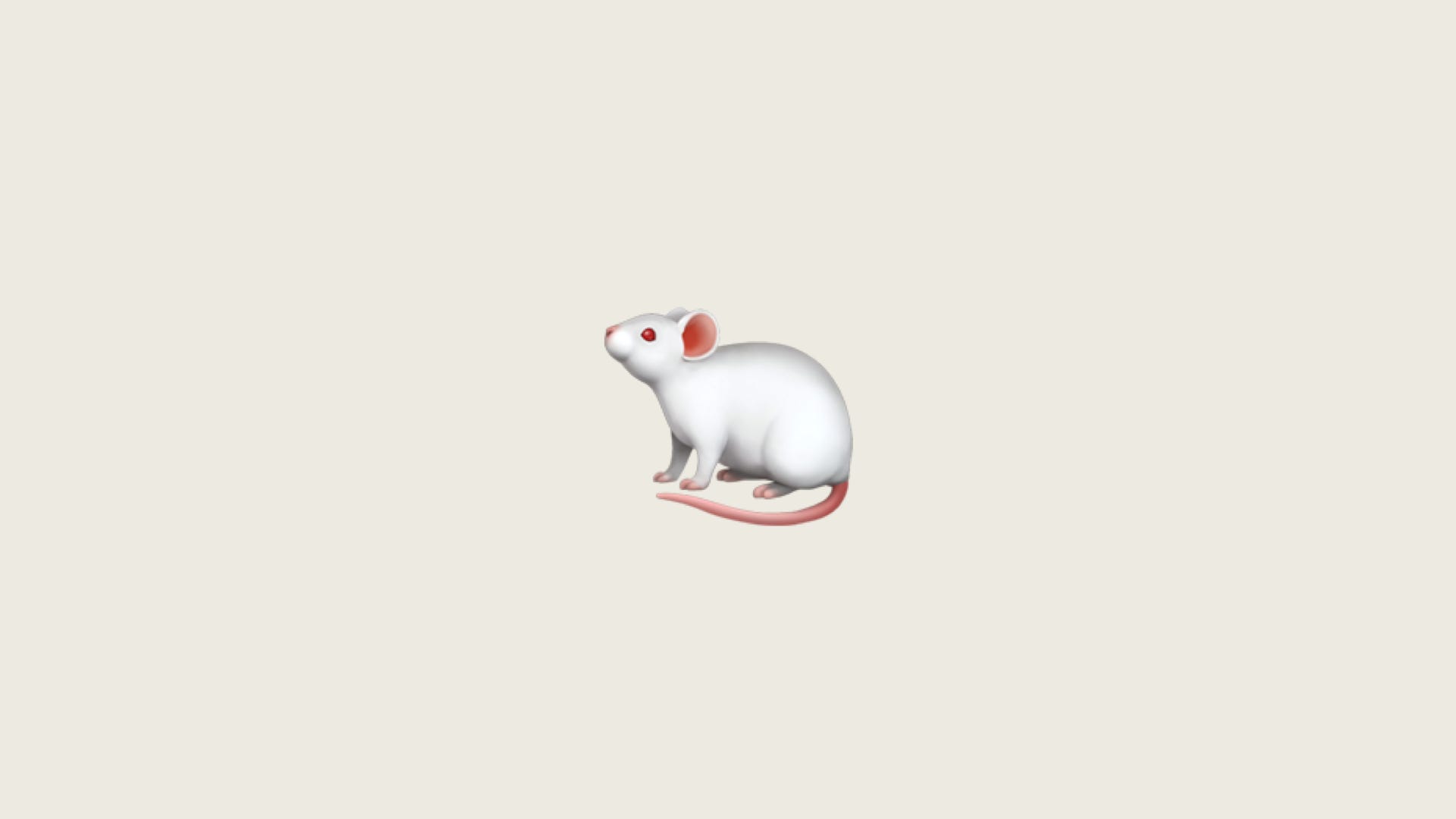
Imagine you only know of the animal when I say that word. “Mouse.” What comes to mind?
Something so small it fits in your hand. Scurrying, lively, animated. Able to move in any direction quickly, and with ease.
“Mouse” instantly created familiarity, endearment. It read non-threatening. You don’t “operate” a mouse. You hold it.
Xerox had the tech, Apple wrote the story. The story won. Over the course of the 80s, Apple would ship millions.
BEAT 2: Why’s Story Work? Is It All in Your Head?
Okay, you believe me.
We’ve been deploying things off the engine that is the story for 3000 years. But. Why?
Well, it has something to do with you…
And how your brain works. In 1983 a researcher named Endel Tulving found a key distinction in how we store information.
The brain has two sides. Not actually “sides,” but let’s call them “sides” for the sake of the story.
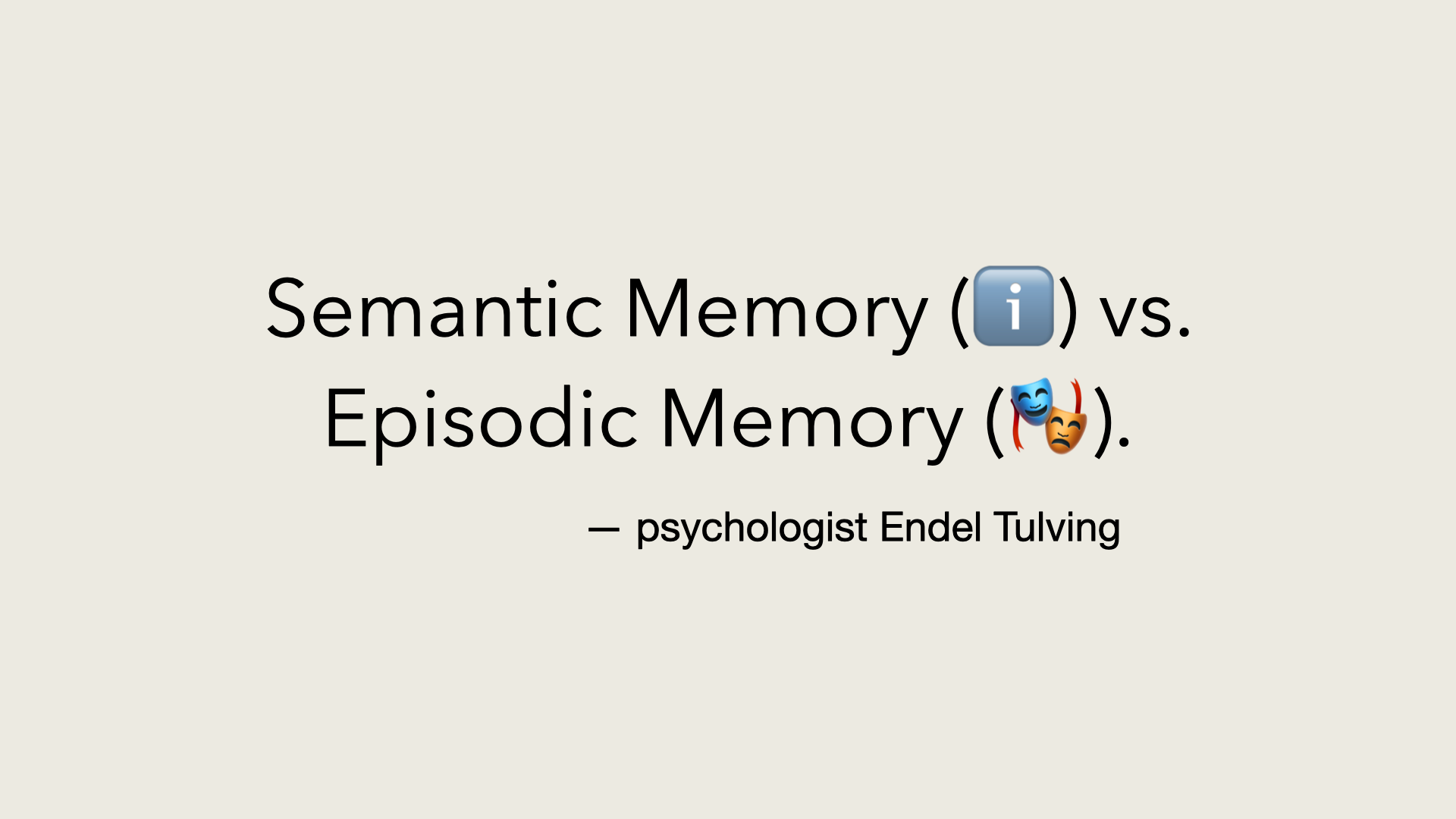
On one side you have semantic memory. Think of this as data storage. These are facts, concepts. “Water boils at 100 degrees Celsius.” Bad news: the decay rate for these is fast. Go a few days without a “rehearsal” (studying) and it’s easily deleted.
On the other side is your episodic memory. These are experienced events, narratives. Tulving even describes them as, get this, time travel. Time travel! Great narrative device, isn’t it? Really dog-fooding his own method.
Burning your hand on the stove. An afternoon on a park bench with your friend. An evening before Christmas with your family.
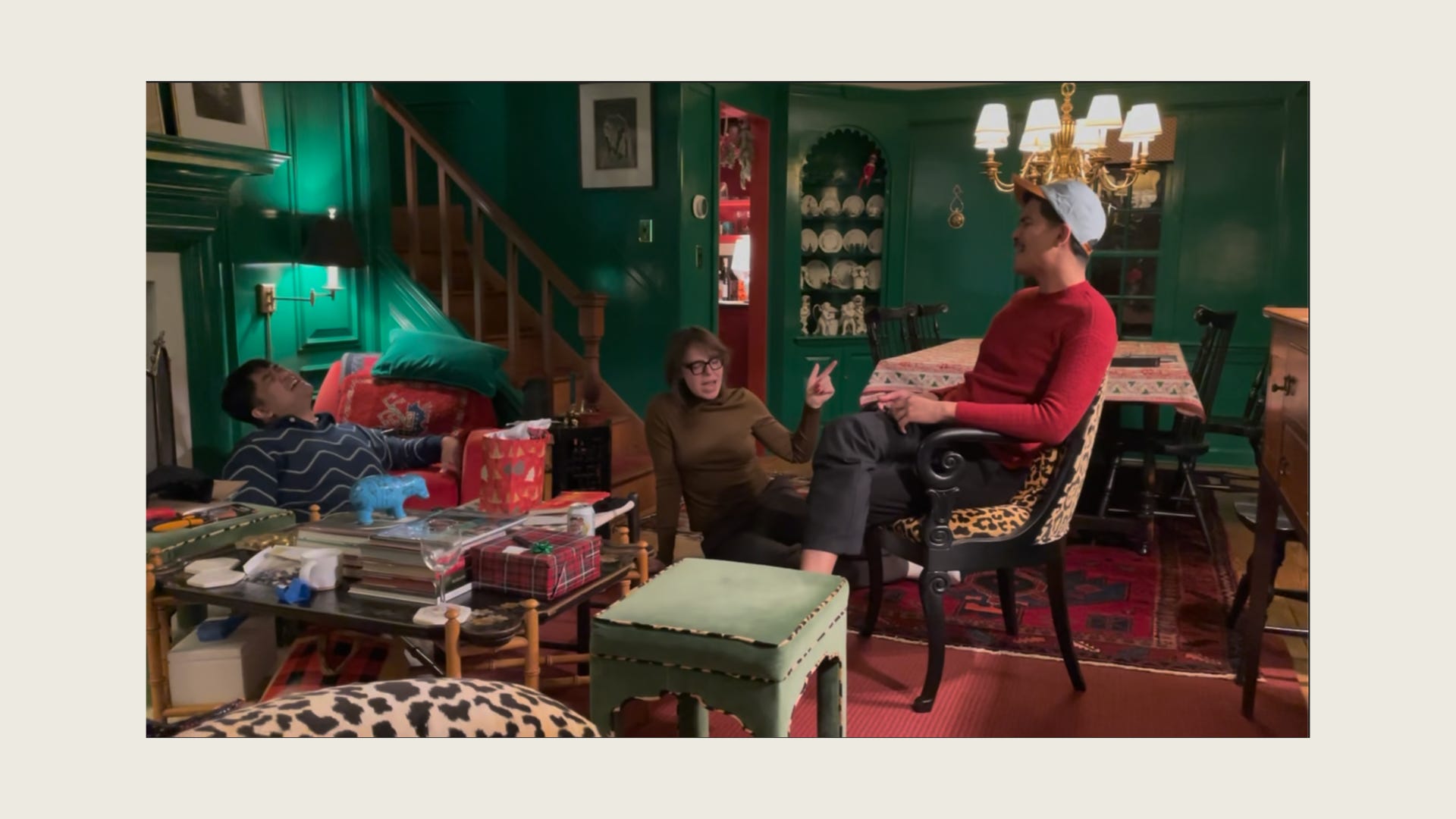
The decay rate here is slow to nonexistent. These memories survive for decades.
And so, when you tell a story, you’re actually building brain infrastructure. You’re building, to take some liberties again from Ancient Greek poets, a “memory palace.” Just like code builds the product, story builds, in people, the memory.
Let’s relate that to our day jobs for a sec. The press release that straight itemizes your launch like a catalogue. Forgotten in days. But your core positioning—of you, of your business, of your product—tell it right, and it gets lodged into the brain-scape of your audience for a long time.
There’s plenty of neuroscience that backs this up.
The gist: narrative is the brain’s “native API” for metabolizing innovation.
BEAT 3: Okay, Story Works. How Do You Build It?
Now we know why story works. Once you do you see it everywhere.
I do narrative strategy for tech founders, and the idea of translating tech for the layperson goes back to the beginning of computers themselves.
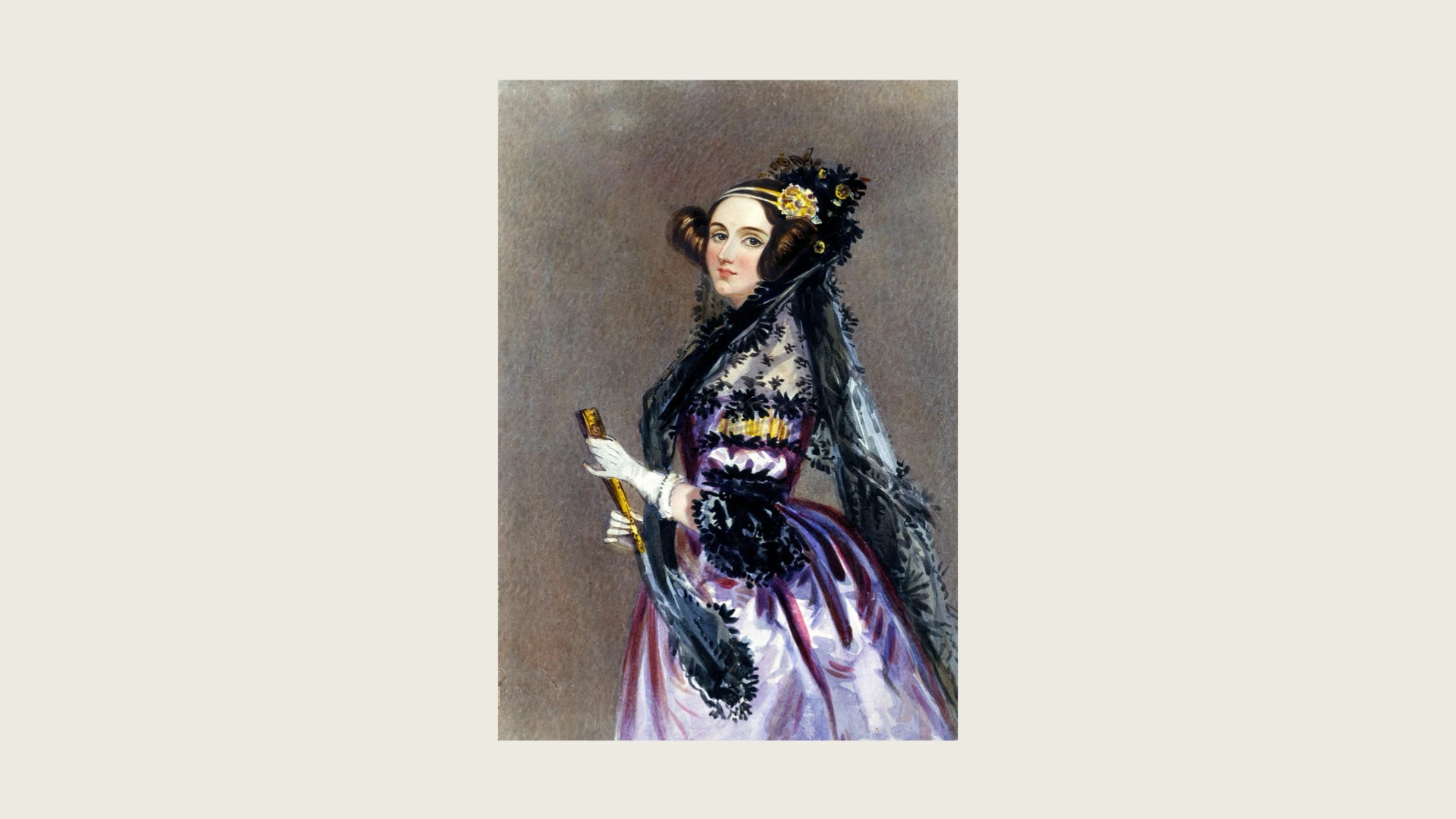
The first programmer, Ada Lovelace, in 1843, was tasked with explaining Charles Babbage’s Analytical Engine, a machine that didn’t exist yet, to a Victorian audience who knew only of steam engines and looms. So she wrote a story about the loom.
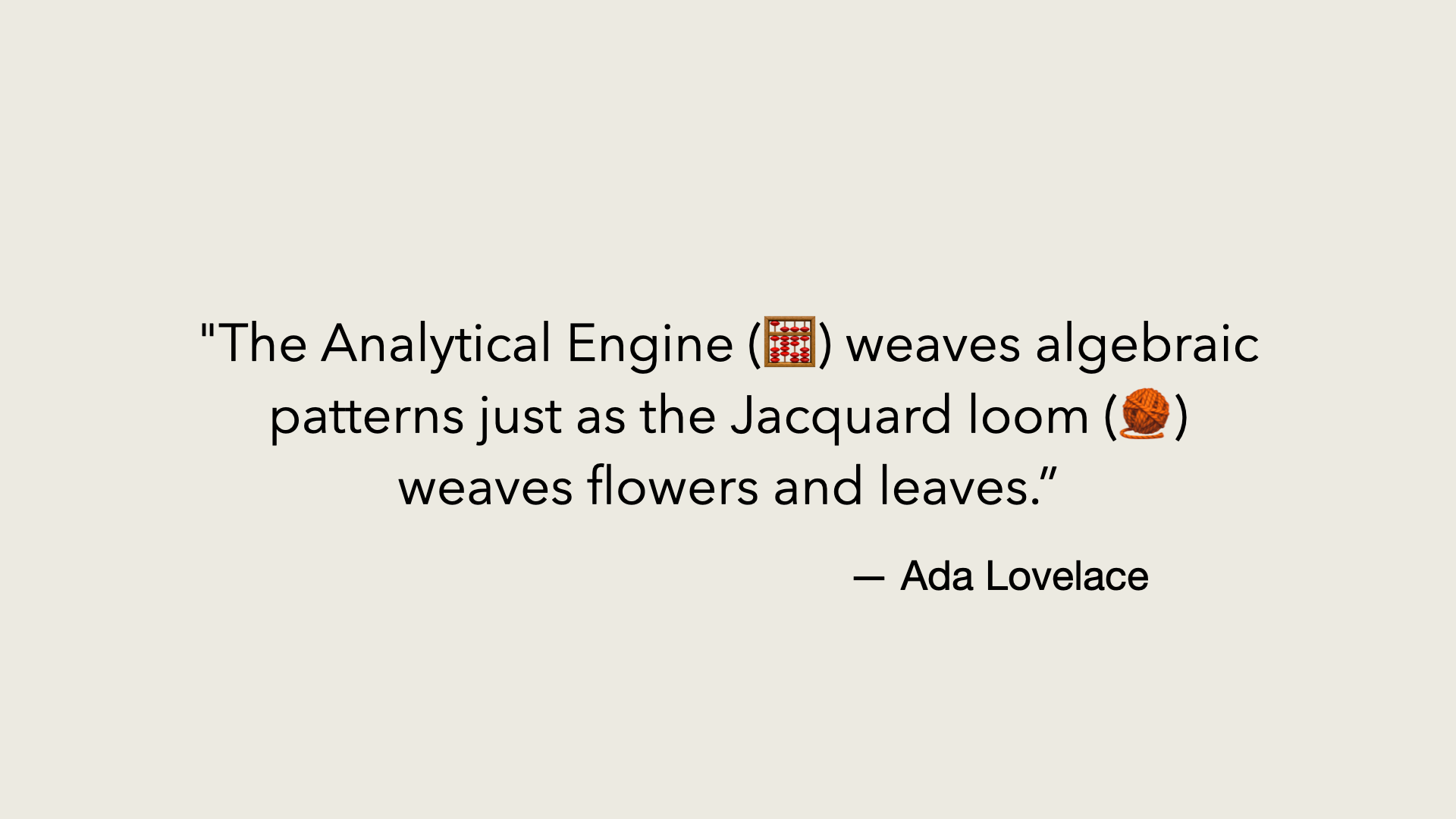
“The Analytical Engine weaves algebraic patterns just as the Jacquard loom weaves flowers and leaves.”
This is, as I term it, “specialist translation.” It translated the future (computation), then confined to frontier specialists, into the language of the present (weaving). And so it built a bridge to what was already known, trusted, and familiar.
The same can be said for Alan Turing, a century later.
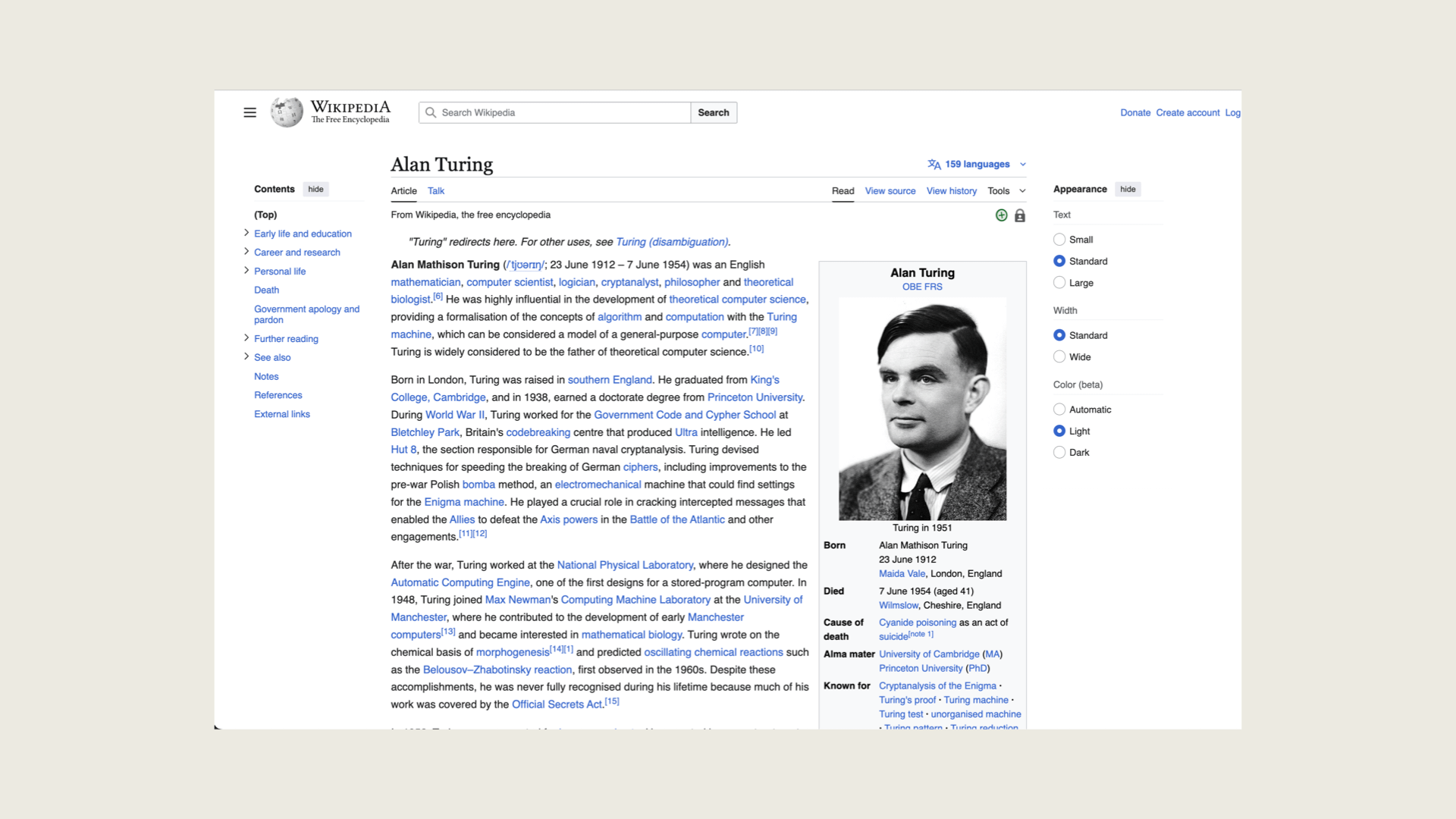
Many of us here, and in tech, understand how misunderstood the Turing Test is. It’s far from being a definitive test of machine intelligence. But I’d like a reframe. I’ll add that it’s a test of narrative consistency.
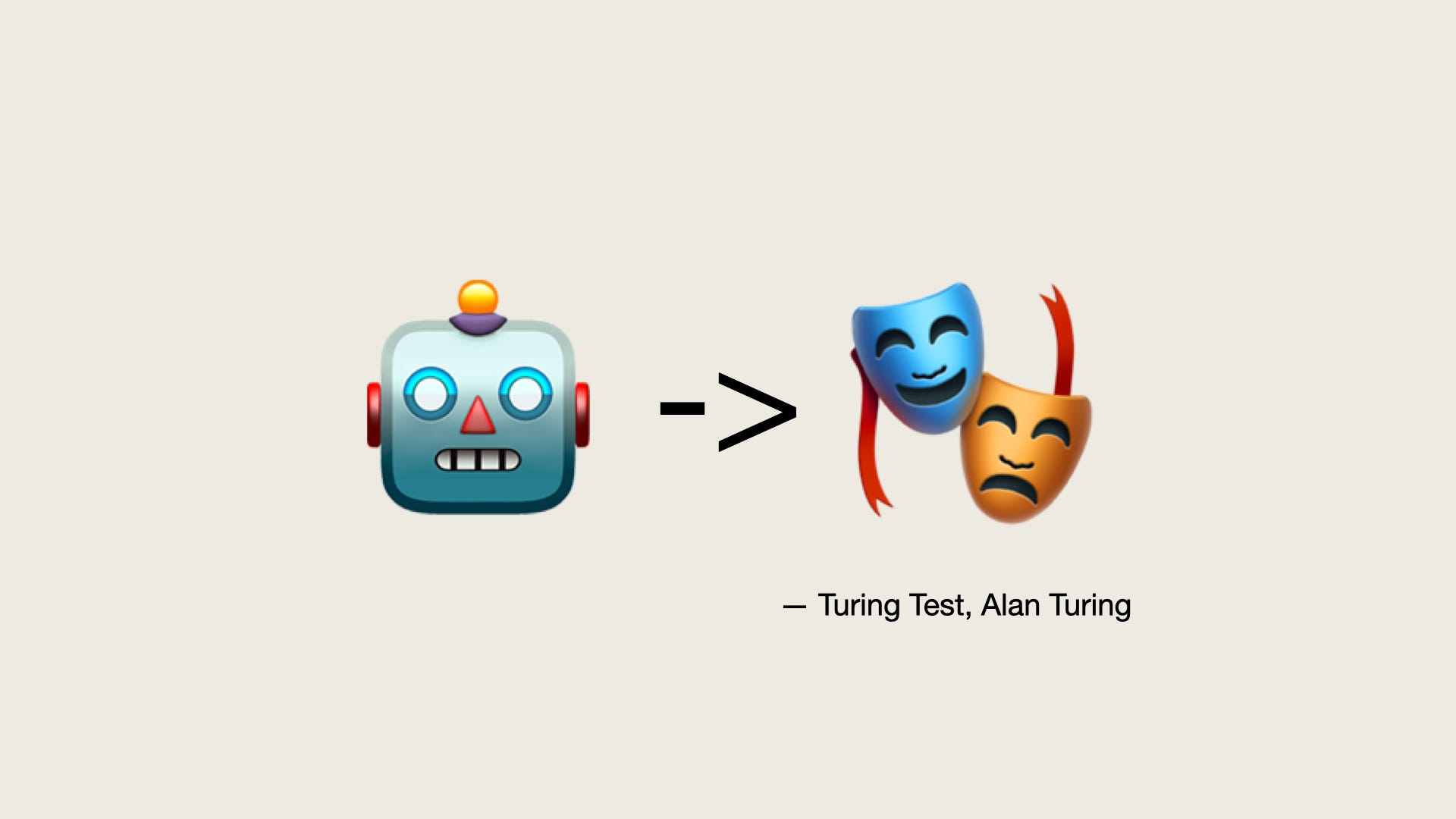
The Turing Test is a test of whether a machine can sustain the story of being human. Story as a requirement to “pass” as us.
Back to my running thesis, that story is deployment. To trust it, let’s take queues from a Gaian deployment structure and touch grass, over in the forest.
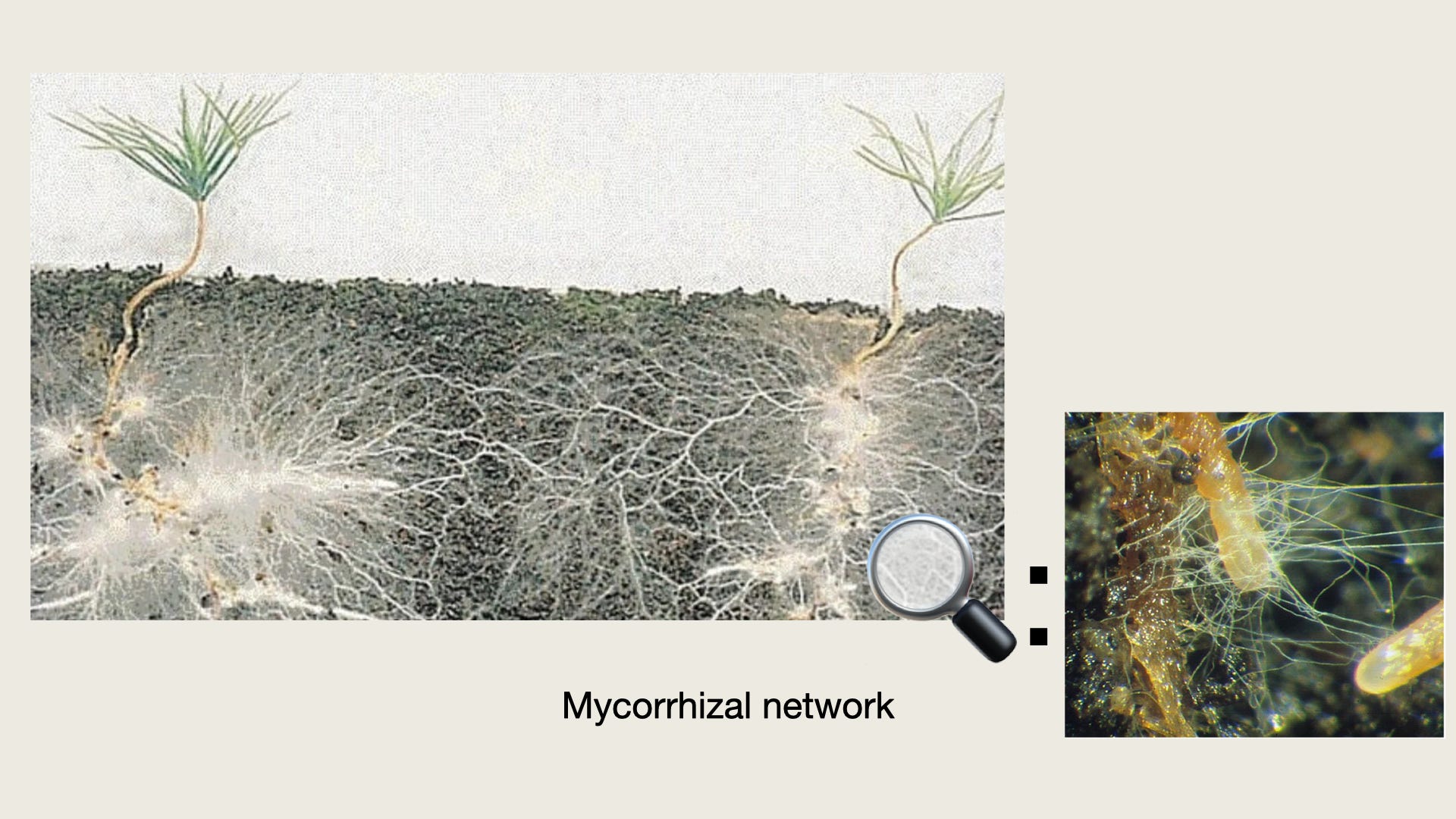
They’re called mycorrhizal networks, and they’re fungal highways for nutrients that operate on a principle called “source-sink physics.”
What that means: high-resource nodes called “Mother Trees” push nutrients to the younger and more stressed trees in their networks.
This maps directly onto sociology. In the 1940s, Paul Lazarsfeld and some colleagues developed the Two-Step Flow model, which described how voting behavior was influenced not by the media directly, but by opinion leaders who were high in status and trust, and with a surplus of capital and attention. It was them who were mainly responsible for spreading political messaging through the public.
A masterclass in comms, psych, and media, all thanks to fungus.

(And fungi opinion leaders.)
This is influencer marketing, or your domain expert buy-in. By feeding your source nodes your highest grade story, your entire network carries it.
You don’t need to be loud. You need to be good, and you need to be strategic with where your message travels. Deliver that quality to the right people, so it spreads just right.
And this is your crisis PR too. When attacked, a strong network will carry your counter-signal through neighbors, creating a network-wide defense system.
So we’ll trust story to work for us, and we know how to deploy it. Before we get cocky, let’s heed a warning on the stakes from Medieval times.
Let’s recall Kabbalah, Madonna’s favorite Hebrew mystical tradition, and its legend about a Golem.
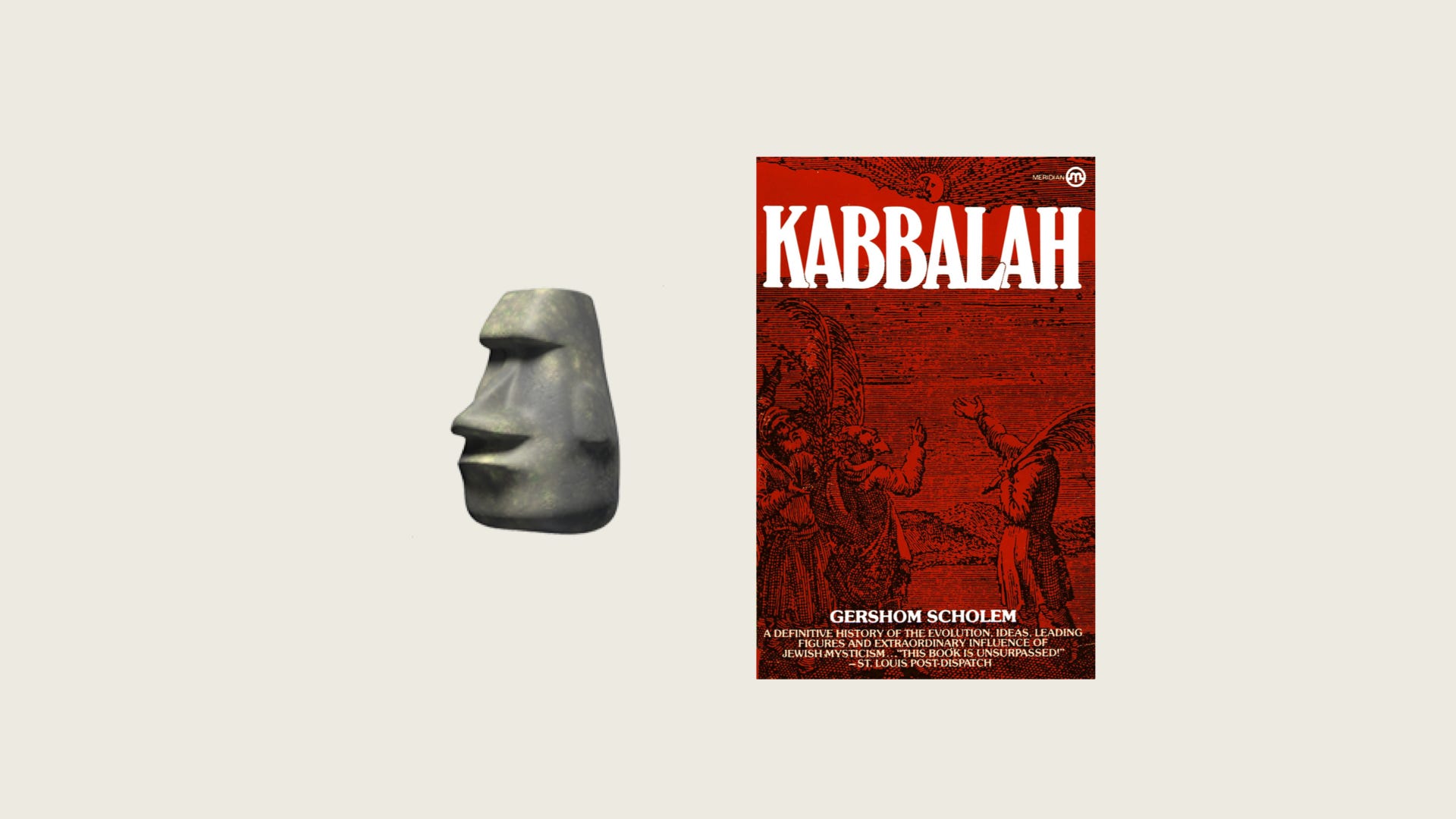
German-Jewish theorist Gershom Scholem details this story as it trades hands over the years. There’s a creature made of clay, animated to life by inscribing the Hebrew word for truth (emet). A crucial detail: it’s an inscription only a letter away from death (met). And if the rabbi writes it incorrectly, the Golem devours its creator.
The golem’s parallels to the language models are clear. One token (or vibe-coded letter) is the difference between functional deployment and catastrophe.
Innovation alone is hubris. But innovation shaped responsibly, by story, begets progress.
BEAT 4: Who Tells the Best Stories?
Now for what’s surely the most important piece of this puzzle. I haven’t told you where this lens comes from for me.
There are a few ideas across disciplines that touch on where I’m heading.
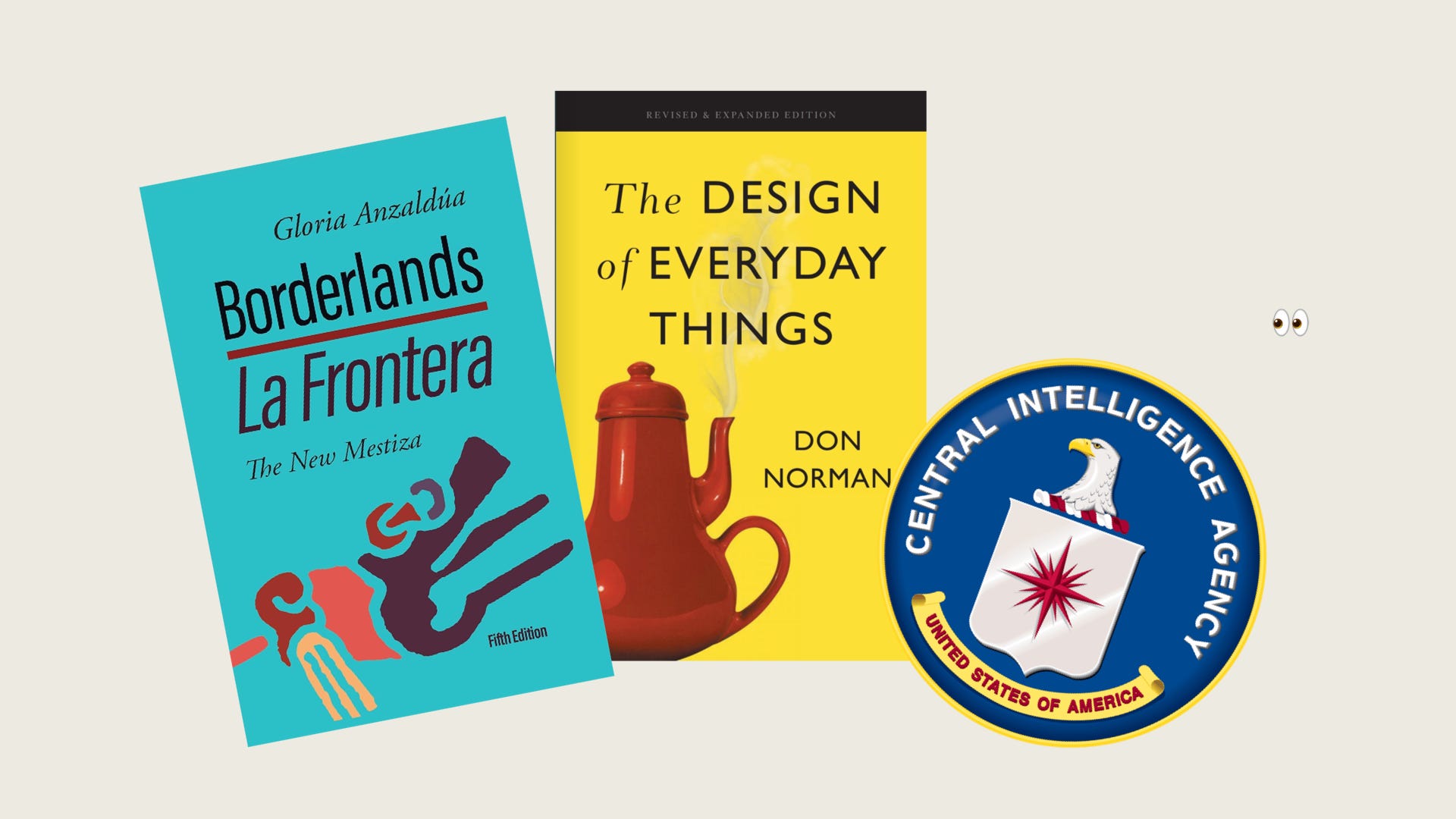
There’s "mestiza consciousness,” by Chicana theorist Gloria Anzaldúa, which describes living in multiple worlds at once, and translating between them. Or design guy Don Norman’s concept of “affordance:” how objects communicate their own use through physical cues. Or “strategic legibility,” a term you may or may not find in CIA handbooks and memoirs on how agents learn to read cultures to blend in.
But I’m going to offer you something else.
Hypervigilance. Code-switching. A constant negotiation with legibility. Selling a story that bridges the gap between what’s taboo and what’s accepted.

These are the hallmarks of being transgender in 2025 America.
Sorry to make everything about me (though I do so enjoy it).
I can call on the scholars for some credibility here.
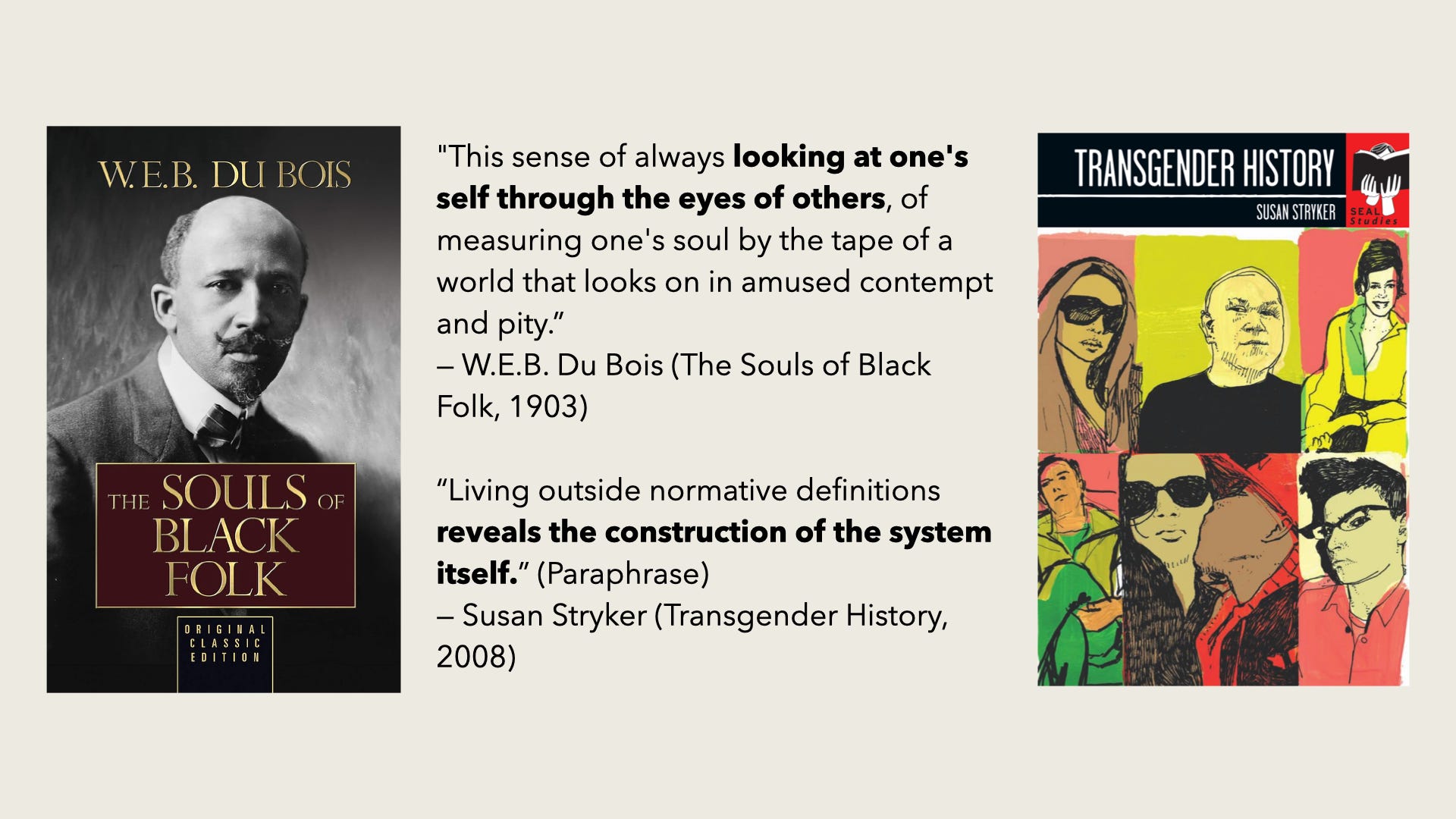
W.E.B. Du Bois, speaking on race, called it “double consciousness:” seeing yourself both through your own eyes and the eyes of society, which views you as the “other.”
And the theorist Susan Stryker specified it to the trans experience, with her framework (adapted from Patricia Hill Collins) for the “Outsider Within.” Stryker explains that when you live outside the norm, you learn the very construction of the systems you seek to enter, developing a domain knowledge of sorts on how it’s built, how it works. The ultimate exercise in user empathy.
I love JSTOR as much as anyone, but we can get technical too.

This is dual-OS architecture, running two kernels at once and switching instantly to optimize user experience. It’s high-availability latency management, an always-monitoring system with near-seamless benchmark performance. Or pen-testing, how simulated cyberattacks help strengthen tech’s security and longevity.
The research says this all requires immense executive function and cognitive processing speed. More succinctly: a woman who’s brilliant and quick-witted, beautiful even.
Sincerely though, a narrative strategist is a code-switcher. And I’m sure I’m not the only one in the room who’s done this. On your teams, you’re talking to engineers about dependencies and throughput, to VCs about TAM and ARR, to the public about magic, ease, and connection.
And so the trans experience, more than biographical, can inform storytelling’s de facto methodology.
Like trans people, you feel an imperative to develop expertise in radically different domains, and to tell your product’s story convincingly for its own success and survival. To win over a skeptical public where they stand in order to deploy at scale, globally.
I call this gap between skepticism and acceptance the legibility gap.
The space between “what the fuck is this?” and “this is great.”
The imperative for legibility is clear. Many of us in this room are category builders. We’re making things that don’t have slots yet.
The gap between fear and understanding is real, and obviously warranted. We know it exists. The question becomes: who’s building the bridge?
BEAT 5: STORY IS THE ENZYME.
It’s on us to decide. And we have our work cut out for us.
We’re in an ecosystem where narrative has suffered from what I’ll call “semantic dilution.” It’s an 11th-hour garnish, applied in pitch decks and user testimonials as afterthoughts—a layer of paint slapped on a finished product.
This is reductionist, to say the least. We don’t need word from the AI Now Institute to know that discourse around AI and emerging tech is an epistemic war, not only over progress, but over power.
To win the war, innovators must treat story with the same rigor as engineering, recognizing that the stories you deploy dictate the adoption, function, and stability of our tech, and our future.
I’ll leave you with a narrative device to take home, once again from biology.
Story is the enzyme. It metabolizes what you’re building, and carries it home.
When your body encounters something foreign, it triggers a rejection response. Enzymes lower the activation energy needed for our brain to metabolize it. Innovation is that foreign tissue. Story is the enzyme that explains it, shows us how to use it wisely, and shepherds us through.
Or in demo-night cadence:
Story deploys (your) innovation at scale. It mitigates anxieties while driving buy-in by VCs and your ICP. It shapes customer use-cases and satisfaction, paving a runway to global adoption.
So. The question I’d encourage you ask your team every morning, or simply ask yourself: are you telling the story you think you’re telling?

I’m Charlie Freiberg, and I write stories for those building the future.
I love this stuff. So feel free to connect and speak with me after. And thanks for listening.
STORY IS THE ENZYME is a living artifact (🦠) that’s available for forthcoming conferences, events, etc. Do you host one of those? Want to enter my memory palace? I’d love to hear from you.